

 Performance Marekting
Meta Ads vs Google Ads: Which Should Get Your Budget First in 2026?
You have a limited advertising budget, a product or service to sell, and two platforms competing for your attention: Google...
Read Full Article →
Getting more visitors to your store doesn’t always mean getting more orders. If your traffic has increased but sales haven’t moved much, the problem may be what happens after someone lands on your website. That’s where conversion rate optimization comes in. That’s not a traffic problem. That’s a conversion problem, and no amount of extra spend on Shopify advertising or Meta ads fixes a leaky checkout.
Most CRO checklists floating around right now run to 60 or 75 tactics, which sounds thorough and is mostly useless. Nobody fixes 75 things in a quarter. Here are the 12 that actually move revenue, based on what we’ve seen repeatedly across D2C and scaling brand accounts.
E-commerce conversion rates vary widely by industry, device, traffic source, and how a conversion is defined, so a single global benchmark can be misleading. India’s e-commerce market has also grown substantially, making it increasingly important for brands to make the most of the visitors they attract. As competition for customer attention and acquisition spend increases, improving the shopping experience can help stores get more value from existing traffic.

1. Cut checkout to the fewest fields possible. Extra checkout fields can add friction, especially for shoppers using mobile devices. Keep the checkout as simple as possible and remove fields you don’t genuinely need. Baymard Institute’s checkout research, based on usability studies, identifies checkout complexity and form-related issues as common reasons shoppers leave carts unfinished.
2. Kill forced account creation. Let people check out as a guest. You can always ask them to create an account after the order confirms, when they’re already committed.
3. Show shipping costs early, not at the final step. Unexpected costs can contribute to cart abandonment. Show a shipping estimate on the product page or cart, not three steps into checkout.
4. Fix mobile page speed first. Slow-loading pages can frustrate mobile visitors and contribute to abandonment. If most of your Shopify advertising traffic lands on a slow product page, you’re paying for clicks that may leave before they even see the product. Monitor your own page-speed and funnel data to understand the impact.
5. Add real product video, not just stock photography. Consider adding product videos and multiple real-life images alongside studio photography, particularly for categories where texture, fit, or scale matter. In our agency experience, these assets can help shoppers better understand a product; test their impact with your own audience.
6. Make reviews easy to find on product pages. Consider placing a review summary near the product title or price, with detailed reviews further down the page. Visible social proof may help shoppers assess trust and product quality, but the best placement can vary by product and audience.
7. Match ad creative to landing page message. If your Meta or Google ad promises a specific offer, make sure the landing page clearly repeats it near the top. A consistent message helps visitors understand that they’ve reached the right page. Test changes to message match and measure their effect on your funnel.
8. Run exit-intent offers sparingly, not on every page. Overused exit popups can interrupt the shopping experience. Reserve them for relevant moments, such as when a visitor appears ready to leave a cart with items over a certain value, and monitor whether the offer helps or hurts results.
9. Simplify navigation on category pages. Make it easy for visitors to find products through clear categories, useful filters, and search. As a usability guideline, review whether shoppers can reach key products without unnecessary steps; there is no universal click-count threshold that applies to every store.
10. Test payment options relevant to your actual buyer. UPI, buy-now-pay-later, and card options may perform differently by category and price point in the Indian market. Don’t assume the payment stack that worked for one client works for another. Use checkout data and controlled tests to guide decisions.
11. Use urgency and scarcity only when it’s true. Fake countdown timers can undermine trust, especially with repeat buyers. If stock is genuinely limited, say so. If it isn’t, don’t manufacture it.
12. Track post-click, not just post-impression. A lot of “PPC problems” are actually CRO problems wearing a PPC costume. Before you rebuild a campaign, check whether the landing page it’s driving traffic to is actually the bottleneck.
| Symptom | Likely cause | Fix category |
| High traffic, low add-to-cart | Product page trust or clarity | Fixes 5, 6 |
| High add-to-cart, low checkout completion | Checkout friction | Fixes 1, 2, 3 |
| Good conversion on desktop, poor on mobile | Site speed or mobile UX | Fix 4 |
| Paid traffic converts worse than organic | Ad-to-page message mismatch | Fix 7 |
| Conversion drops during a specific payment step | Payment method mismatch | Fix 10 |
This table is a starting diagnostic, not a diagnosis. The actual fix depends on where your funnel data says the drop-off happens, which is why a proper CRO engagement starts with an audit, not a checklist applied blind.
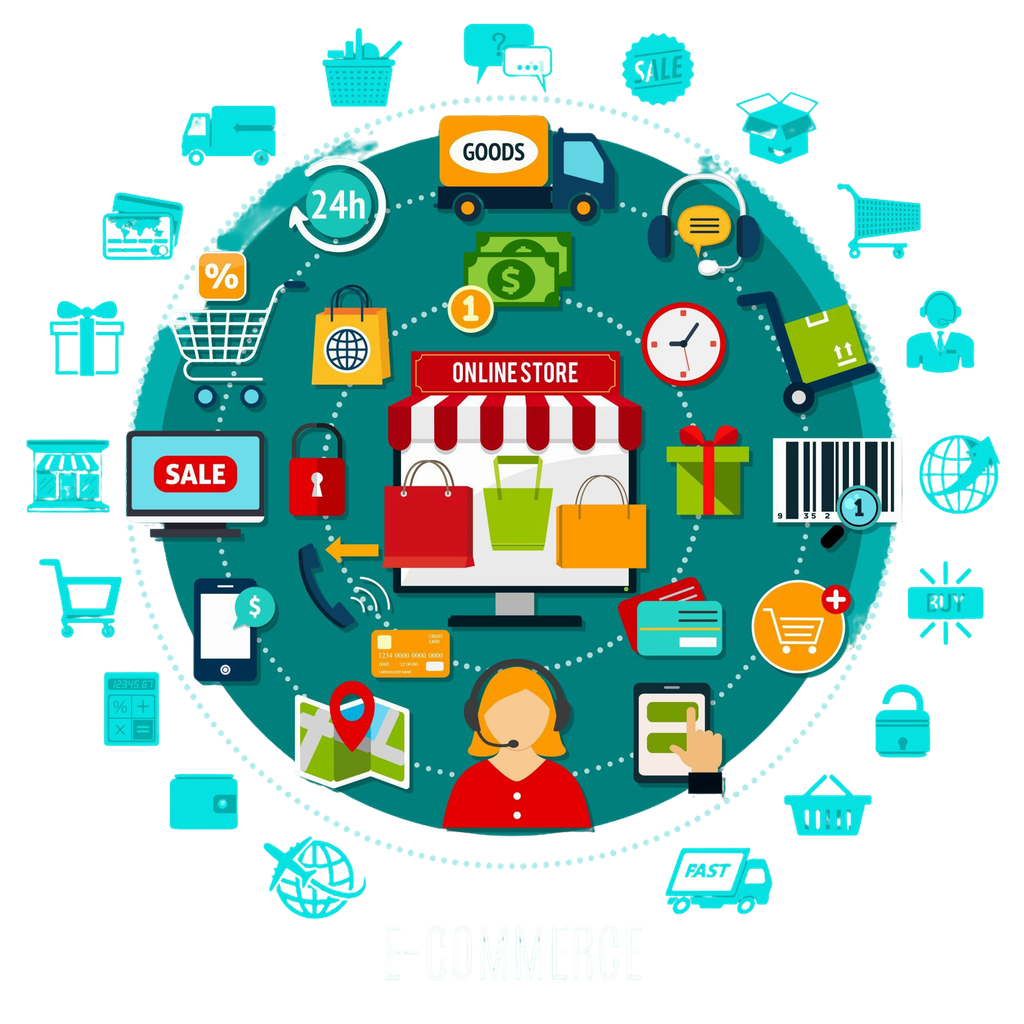
Here’s where most brands split their vendors wrong. They hire an ecommerce development company to rebuild the site, run PPC through one team, and handle social separately, then wonder why nothing lines up. A checkout redesign done without knowing what your paid ads are promising is guesswork. A PPC account optimized without visibility into checkout drop-off is throwing budget at a leaky bucket.
CRO also works better when your website, paid advertising, and analytics are looked at together. If different teams handle each area independently, important details can get missed. For example, a landing page may need to change because of an issue with the ad campaign driving traffic to it.
The fixes above work best as a coordinated system. A faster page (fix 4) may have limited impact if the ad driving traffic to it doesn’t match the offer (fix 7). Simplified checkout (fixes 1 and 2) may not be enough if the payment options don’t match what your actual buyer uses (fix 10).
Don’t try all 12 fixes at once. Pull your last 90 days of funnel data, find the single biggest drop-off point, whether that’s cart-to-checkout, product-to-cart, or landing-page-to-product, and fix that one thing first. Measure it for two to three weeks before moving to the next. A 1% improvement in conversion rate can materially improve the economics of existing traffic, although the actual financial impact depends on factors such as average order value, margins, traffic quality, and repeat purchases.
What is a good conversion rate for an e-commerce store in India?
There’s no single number that applies across categories, devices, or traffic sources. Conversion rates can vary significantly between stores, so compare your performance with relevant, reliable benchmarks where available and, most importantly, track your own rate over time and by category.
Should I fix my website or my ads first?
Check where the drop-off actually happens before deciding. If traffic reaches the site but doesn’t add to cart, the problem may be the page or product offer. If ad clicks are expensive but convert well once they land, the issue may be targeting or acquisition costs rather than the site.
Does an ecommerce development company handle CRO, or is that a separate service?
Some development companies offer CRO, while others focus on building and maintaining the site. CRO works best when the team can see both paid media and site analytics, since improvements should respond to real funnel data, not just design preference.
How long does it take to see results from CRO fixes?
The time needed to evaluate a change depends on traffic volume, the size of the change, and normal fluctuations in sales. Checkout and page-speed improvements may show early signals within a few weeks, but allow enough time and data before drawing conclusions. Bigger structural changes may need a longer evaluation period.
Is Shopify advertising conversion different from other platforms?
The core CRO principles are similar across platforms. Shopify checkout customization and available options depend on the store’s plan, configuration, and apps. Check which checkout settings and extensions are available for your setup before planning changes to fields, payment options, or post-purchase offers.
What should I ask a digital marketing agency in Gurgaon before hiring them for CRO?
Ask how they diagnose drop-off before recommending fixes, whether they have visibility into both your paid media and site analytics, and whether they test one change at a time or bundle multiple changes together, which can make it harder to identify what actually worked.
Digiadda partners with ambitious brands to drive predictable customer acquisition and retention with data-backed performance systems.
Book a Growth Consultation → Performance Marekting
You have a limited advertising budget, a product or service to sell, and two platforms competing for your attention: Google...
Read Full Article → Video Production
You paid for a beautifully shot brand film. It has 40,000 views, a nice comment section, and no line item...
Read Full Article →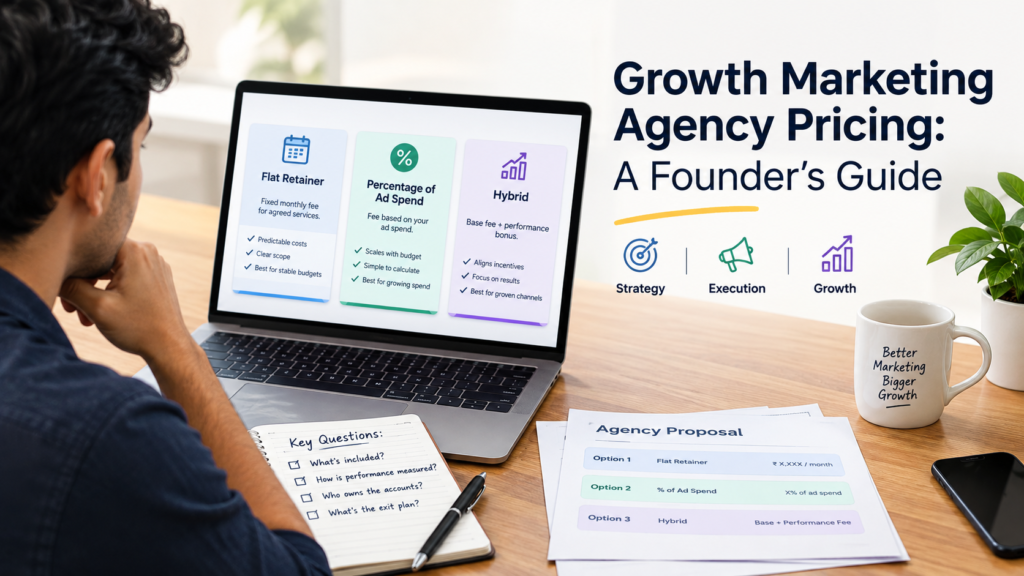 Performance Marekting
Three proposals are on your desk. One is a flat monthly fee. Another charges a percentage of ad spend. The...
Read Full Article → E-commerce
Introduction Search engine optimization (SEO) helps businesses attract relevant visitors from search engines, but the right strategy depends on what...
Read Full Article →
Discussion (0)